Saturday, July 27, 2024

Wayanad. kerala

 Wayanad


 Wayanad, located in the northeastern part of Kerala, India, is a picturesque district known for its lush greenery, misty mountains, and rich cultural heritage. The history of Wayanad is as fascinating as its natural beauty, marked by the rise and fall of various dynasties, colonial influence, and the resilience of its indigenous tribes.

Early History and Ancient Dynasties

  1. Prehistoric Times:

    • Neolithic Age: Archaeological evidence, such as Edakkal Caves, suggests that Wayanad was inhabited during the Neolithic age. The caves contain petroglyphs dating back to 6000 BCE, showcasing the early human settlement and their way of life.
  2. Dynastic Rule:

    • Chera Dynasty: Wayanad was part of the ancient Chera Empire, which ruled over much of present-day Kerala and Tamil Nadu. The region flourished under their rule, benefiting from the trade routes connecting the Malabar coast with the rest of India.
    • Mysore Kingdom: In the medieval period, Wayanad came under the influence of the Mysore Kingdom. The region witnessed the rule of various feudal lords who contributed to its cultural and economic development.

Colonial Influence

  1. British Colonial Period:

    • British Annexation: The British East India Company annexed Wayanad in the 18th century, incorporating it into the Madras Presidency. The colonial period marked significant changes in the region's administration and economy.
    • Development of Plantations: The British introduced cash crops like tea, coffee, and spices, transforming Wayanad's landscape. The establishment of plantations led to the influx of laborers and the construction of roads and railways.
  2. Resistance and Rebellion:

    • Pazhassi Raja: One of the most notable figures in Wayanad's history is Pazhassi Raja, a local king who led a guerrilla war against British forces. Known as the "Lion of Kerala," Pazhassi Raja's resistance is a symbol of local defiance against colonial oppression.

Post-Independence Era

  1. Formation of Kerala:
    • State Reorganization: After India gained independence in 1947, Wayanad was initially part of the Malabar District in Madras State. In 1956, with the reorganization of states, Wayanad became part of the newly formed Kerala state.
    • District Status: Wayanad was carved out as a separate district from Kozhikode and Kannur districts in 1980, facilitating better administrative management and development.

Cultural and Ethnic Diversity

  1. Indigenous Tribes:

    • Tribal Heritage: Wayanad is home to several indigenous tribes, including the Paniyas, Kurumas, Adiyas, Kurichyas, and Kattunaikkans. These tribes have preserved their unique cultures, traditions, and lifestyles, contributing to the region's rich cultural mosaic.
    • Traditional Practices: The tribes of Wayanad are known for their traditional practices, including agriculture, handicrafts, and folk arts. Festivals and rituals play a significant role in their community life.
  2. Religious and Cultural Sites:

    • Temples and Churches: Wayanad is dotted with ancient temples, churches, and mosques that reflect its religious diversity. Notable sites include the Thirunelli Temple, dedicated to Lord Vishnu, and the Pallikkunnu Church, a popular Christian pilgrimage site.
    • Festivals: The region celebrates various festivals with great fervor, such as Onam, Vishu, and local tribal festivals, showcasing its vibrant cultural heritage.

Natural and Ecotourism Development

  1. Biodiversity Hotspot:

    • Flora and Fauna: Wayanad is part of the Western Ghats, a UNESCO World Heritage site and biodiversity hotspot. The region is home to diverse flora and fauna, including several endangered species.
    • Wildlife Sanctuaries: The Wayanad Wildlife Sanctuary, established in 1973, is a major attraction, offering opportunities for wildlife safaris and bird watching.
  2. Tourism and Conservation:

    • Eco-tourism Initiatives: In recent years, Wayanad has become a popular eco-tourism destination. Efforts are made to promote sustainable tourism practices, preserving the natural environment while providing livelihood opportunities for local communities.
    • Adventure Activities: The region offers various adventure activities such as trekking, camping, and boating, attracting nature enthusiasts and adventure seekers.

Wayanad's history is a blend of ancient traditions, colonial legacy, and post-independence development. Its rich cultural heritage, combined with its natural beauty, makes it a unique destination that continues to captivate visitors from around the world.

Friday, July 26, 2024

Ayodhya,Uttar Pradesh

 Ayodhya


 Ayodhya, a city steeped in mythological and historical significance, is one of the most revered pilgrimage destinations in India. Situated on the banks of the Sarayu River in Uttar Pradesh, Ayodhya is considered the birthplace of Lord Rama, a major deity in Hinduism. Its rich history, religious importance, and numerous temples attract millions of visitors every year.

Mythological Significance

Ayodhya is most famously known as the setting of the ancient Hindu epic, the Ramayana. According to the Ramayana, Ayodhya was the capital of the Kosala Kingdom and the birthplace of Lord Rama, the seventh incarnation of Vishnu. The epic details Rama's life, including his exile, the abduction of his wife Sita by the demon king Ravana, and his subsequent victory over Ravana. This mythological connection has made Ayodhya a central pilgrimage site for Hindus.

Historical Background

The history of Ayodhya dates back several millennia. It is believed to be one of the oldest cities in India, with references found in ancient texts such as the Vedas and the Ramayana. Over the centuries, Ayodhya has been ruled by various dynasties, including the Mauryas, Guptas, and the Delhi Sultanate, each leaving its mark on the city’s cultural and architectural heritage.

Temples and Religious Sites

Ayodhya is home to numerous temples and religious sites that are significant to Hindus. The most prominent among them is the Ram Janmabhoomi, believed to be the exact birthplace of Lord Rama. The site has been the center of a long-standing and controversial dispute between Hindus and Muslims, leading to significant political and social upheaval. In 2019, the Supreme Court of India ruled in favor of building a temple at the disputed site, which is currently under construction.

Other notable temples in Ayodhya include:

  • Hanuman Garhi: A temple dedicated to Hanuman, the devoted follower of Lord Rama. It is located on a hilltop and is one of the most visited temples in Ayodhya.
  • Kanak Bhawan: A palace-like temple that is believed to have been gifted to Sita by Rama’s stepmother, Kaikeyi. It is known for its beautiful idols of Rama and Sita adorned in gold.
  • Nageshwarnath Temple: This temple is dedicated to Lord Shiva and is associated with Kush, the son of Lord Rama. It is said to have been established by Kush himself.

Festivals and Celebrations

Ayodhya is a vibrant city that comes alive during various Hindu festivals. The most significant of these is Diwali, which is celebrated with immense fervor. According to the Ramayana, Diwali marks the return of Lord Rama to Ayodhya after 14 years of exile. The city is adorned with lights and decorations, and large processions and cultural programs are held to celebrate the occasion.

Another major festival is Ram Navami, the birthday of Lord Rama. Devotees from across the country visit Ayodhya to take part in the festivities, which include religious rituals, processions, and recitations of the Ramayana.

Historical Sites and Monuments

Apart from its temples, Ayodhya also boasts several historical sites and monuments that reflect its rich heritage:

  • Guptar Ghat: This is the place where Lord Rama is believed to have taken a dip in the Sarayu River before leaving for his heavenly abode. It is a serene spot and an important site for pilgrims.
  • Tulsi Smarak Bhawan: This memorial is dedicated to the poet-saint Tulsidas, who wrote the Ramcharitmanas, an epic poem based on the Ramayana. The Bhawan houses a library and a research center on Tulsidas’s works.
  • Treta Ke Thakur: A temple that is said to house the idols of Lord Rama, Sita, Lakshmana, and Hanuman, believed to have been installed by King Vikramaditya.

Modern Ayodhya

In recent years, Ayodhya has undergone significant development, particularly in the wake of the Supreme Court’s verdict on the Ram Janmabhoomi dispute. The construction of the Ram Temple has spurred infrastructure development, including better roads, improved public amenities, and increased tourism facilities. Efforts are also being made to preserve and promote the city’s cultural heritage through various government initiatives.

Sunday, July 14, 2024

Nalanda, India

Nalanda


Nalanda: A Historical Overview and Tourism Guide

Nalanda, located in the Indian state of Bihar, is one of the most important historical and archaeological sites in India. Known for the ancient Nalanda University, one of the world's first residential universities, this site is a symbol of India's rich educational and cultural heritage. Established in the 5th century CE, Nalanda was a center of learning and attracted scholars from various parts of the world. Today, it is a UNESCO World Heritage Site and a prominent tourist destination.

Historical Background

Nalanda's history dates back to ancient times when it served as a prominent center for learning and religious activities. The region was initially a prosperous village and gradually evolved into a significant educational hub under the Gupta Empire. The name "Nalanda" is believed to be derived from the Sanskrit words "Na Alam Da," meaning "insatiable in giving," reflecting the university's commitment to education and knowledge.

  1. Founding of Nalanda University: Nalanda University was founded in the 5th century CE by Kumaragupta I, a Gupta emperor. It flourished under the patronage of successive rulers, including Harsha of the Vardhana dynasty and the Pala Empire. The university was renowned for its diverse curriculum, which included subjects like theology, philosophy, grammar, logic, astronomy, mathematics, and medicine.

  2. Structure and Campus: The university campus covered a vast area with red-brick buildings, lecture halls, libraries, monasteries, and hostels. The main library, Dharmaganja, comprised three large buildings: Ratnasagara, Ratnadadhi, and Ratnaranjaka, housing thousands of manuscripts. The campus was meticulously planned with gardens, lakes, and a high wall encompassing the entire university.

  3. Academic Excellence: Nalanda attracted students and scholars from various countries, including China, Korea, Japan, Tibet, Mongolia, Turkey, Sri Lanka, and Southeast Asia. Notable scholars such as Xuanzang and Yijing from China documented their experiences at Nalanda, providing valuable insights into its academic environment. The university was known for its rigorous admission process, and only a select few were granted entry.

  4. Decline and Rediscovery: Nalanda University thrived for several centuries until it faced decline due to the invasions of the 12th century. The final blow came from the Turkish invader Bakhtiyar Khilji, who destroyed the university, its libraries, and monasteries in 1193 CE. The site lay in ruins for centuries until its rediscovery and excavation in the 19th and 20th centuries by the Archaeological Survey of India.

Key Tourist Attractions

  1. Nalanda University Ruins: The ruins of Nalanda University are the main attraction, offering a glimpse into the architectural brilliance and scale of the ancient institution. Visitors can explore the remnants of lecture halls, monasteries, stupas, and the massive library complex. The layout of the ruins reflects the advanced planning and architectural skills of the period.

  2. Nalanda Archaeological Museum: Established in 1917, the Nalanda Archaeological Museum houses an impressive collection of artifacts excavated from the site. The museum's exhibits include statues, inscriptions, coins, seals, and pottery, providing a comprehensive overview of Nalanda's history and culture. Highlights include the statue of Buddha in the "Bhumi Sparsha Mudra" and various sculptures of Buddhist deities.

  3. Hiuen Tsang Memorial Hall: This hall is dedicated to the Chinese traveler and scholar Xuanzang (Hiuen Tsang), who spent several years studying at Nalanda. The memorial hall features exhibits on Xuanzang's life, his journey to India, and his contributions to documenting the history and culture of Nalanda. It serves as a tribute to the enduring cultural exchange between India and China.

  4. Nav Nalanda Mahavihara: Established in 1951, this modern institution aims to revive the legacy of Nalanda University. It offers courses in Pali, Buddhist studies, and other related disciplines. The campus also includes a library with a vast collection of Buddhist texts and manuscripts.

  5. Surrounding Attractions: Visitors to Nalanda can also explore nearby historical and religious sites, such as Rajgir, an ancient city associated with Lord Buddha and Mahavira, and Pawapuri, where Lord Mahavira attained Nirvana. Rajgir's hot springs, Vulture's Peak, and the Japanese Shanti Stupa are also popular tourist spots.

Cultural and Educational Significance

Nalanda's historical and cultural significance extends beyond its role as an ancient university. It symbolizes the zenith of Buddhist learning and the synthesis of various cultural and intellectual traditions. The site's rediscovery and preservation have revived interest in its legacy, making it a focal point for scholars, historians, and tourists.

Tourism and Accessibility

Nalanda is well-connected by road and rail. The nearest airport is in Patna, approximately 90 kilometers away. Regular buses and taxis are available from Patna, Rajgir, and other nearby cities. The best time to visit Nalanda is between October and March, when the weather is pleasant for exploring the outdoor ruins.

Visitor Experience

Visitors to Nalanda can expect an enriching experience, exploring the vast ruins, museum exhibits, and memorial halls. The site offers a unique opportunity to delve into the history of one of the world's earliest centers of higher learning and to appreciate the architectural and cultural achievements of ancient India. Guided tours, informational plaques, and museum exhibits enhance the understanding of Nalanda's historical context.

Thursday, July 4, 2024

Itanagar, Arunachal Pradesh

Arunachal Pradesh


 Itanagar, the capital city of Arunachal Pradesh, is a vibrant blend of natural beauty, cultural heritage, and modern development. Nestled in the foothills of the Himalayas, Itanagar offers a variety of attractions and activities for tourists. Here’s a comprehensive guide to what you can explore in Itanagar:

Tourist Attractions

  1. Ita Fort: The city's name, Itanagar, is derived from this historic fort. Built in the 14th-15th century, Ita Fort, meaning 'Fort of Bricks,' is an archaeological marvel made of more than 8 million bricks. It provides a glimpse into the region's ancient history.

  2. Ganga Lake (Gyakar Sinyi): A serene and picturesque lake surrounded by lush greenery and bamboo groves. It's an ideal spot for picnics, boating, and nature walks.

  3. Jawaharlal Nehru State Museum: This museum offers a deep dive into the cultural heritage of Arunachal Pradesh, showcasing artifacts, tribal arts, and historical exhibits. It provides valuable insights into the state's diverse cultures and traditions.

  4. Buddha Temple (Gompa): A beautiful Buddhist temple located atop a hill, offering panoramic views of the city and the surrounding landscape. It's a peaceful place for meditation and reflection.

  5. Indira Gandhi Park: A well-maintained park that serves as a recreational space for locals and tourists. It’s perfect for leisurely walks, jogging, and family outings.

Activities

  1. Trekking and Hiking: The hilly terrain and scenic trails around Itanagar offer excellent opportunities for trekking and hiking. The routes vary in difficulty, catering to both beginners and experienced trekkers.

  2. Cultural Tours: Visiting local markets, villages, and festivals provides an immersive experience of the local culture. Interacting with indigenous tribes and witnessing their traditional customs and lifestyle is fascinating.

  3. Shopping for Handicrafts: Itanagar is known for its traditional handicrafts, including bamboo and cane products, handwoven fabrics, and intricate jewelry. The local markets are great places to buy souvenirs and support local artisans.

Climate

Itanagar enjoys a subtropical climate with moderate temperatures throughout the year. The best time to visit is from October to April, when the weather is pleasant and conducive for sightseeing and outdoor activities.

Accessibility

Itanagar is accessible by road, rail, and air:

  • By Road: Itanagar is well-connected by road to major cities in Arunachal Pradesh and neighboring states. Regular bus services and taxis are available from Guwahati, Assam.

  • By Rail: The nearest railway station is Naharlagun, about 15 km from Itanagar. It is connected to major cities like Guwahati and New Delhi.

  • By Air: The nearest airport is Lilabari Airport in North Lakhimpur, Assam, about 67 km from Itanagar. It offers regular flights to and from Guwahati and Kolkata.

Accommodation

Itanagar offers a range of accommodation options, from budget guesthouses to luxury hotels. Some popular choices include Hotel Arun Subansiri, Hotel Donyi Polo Ashok, and Hotel Todo.

Local Cuisine

Itanagar's cuisine is a delightful blend of traditional Arunachali and North-Eastern flavors. Must-try dishes include bamboo shoot pickle, pika pila, momos, and thukpa. The local eateries and restaurants offer a variety of dishes to cater to different tastes.

Itanagar, with its mix of historical sites, natural beauty, and cultural richness, provides a memorable experience for travelers seeking to explore the unique charm of Arunachal Pradesh.

Tuesday, June 25, 2024

India Luxury Package


If you're looking for a luxury package for your Rajasthan tour, you can expect an exquisite experience with personalized services, luxurious accommodations, and exclusive activities. Here’s how you can enhance your Rajasthan trip with a touch of luxury:

Luxury Experiences and Accommodations:

  1. Luxury Hotels and Palaces:

    • Stay in iconic heritage hotels like the Taj Lake Palace in Udaipur, Rambagh Palace in Jaipur, or Umaid Bhawan Palace in Jodhpur. These properties offer royal suites, impeccable service, and stunning architecture.
  2. Private Tours and Guides:

    • Arrange for private guided tours of forts and palaces. Your guide can provide detailed insights into the history and culture of each place, tailored to your interests.
  3. Fine Dining:

    • Experience fine dining at the hotels' renowned restaurants or enjoy a private dining experience under the stars in the desert or overlooking a lake.
  4. Spa and Wellness:

    • Indulge in spa treatments and wellness therapies inspired by ancient Ayurvedic practices or luxurious modern spa techniques offered at your accommodation.
  5. Exclusive Activities:

    • Participate in exclusive experiences such as hot air balloon rides over Jaipur or Udaipur, private yoga sessions at sunrise, or a champagne sunset camel safari in the Thar Desert.

Additional Services:

  • Private Transfers: Arrange for luxury vehicles and private chauffeurs for seamless travel between destinations.

  • Concierge Services: Utilize concierge services to assist with reservations, special requests, and personalized itineraries.

  • Shopping: Enjoy curated shopping experiences for authentic Rajasthani handicrafts, textiles, and jewelry with expert guidance.

Tailored Itinerary Suggestions:

  • Jaipur: Private tour of Amber Fort, followed by a gourmet dinner at a heritage hotel overlooking the city.

  • Udaipur: Sunset boat cruise on Lake Pichola with views of the City Palace, followed by a private dinner on the Taj Lake Palace terrace.

  • Jodhpur: Private tour of Mehrangarh Fort and a visit to a local craftsman's workshop, followed by a spa session at Umaid Bhawan Palace.

  • Jaisalmer: Private guided tour of Jaisalmer Fort and Patwon Ki Haveli, followed by a luxury tented accommodation experience in the desert with gourmet dining and cultural performances.

Conclusion:

A luxury package in Rajasthan ensures not only comfort and opulence but also a deeper immersion into the royal heritage and cultural richness of the region. By choosing luxurious accommodations, personalized services, and exclusive activities, you can make your Rajasthan trip a truly unforgettable experience.

Friday, June 19, 2020

Famous Camel Safari In Rajasthan

Camel Safari Rajasthan

The imperial state of Rajasthan and its awe-inspiring “Thar” Desert provides some remarkable experience during camel safaris together with an intimate glimpse into the desert life. Furthermore, you will get pleasure from the valuable treasure troves of dance, music and natural vistas. Even though the dry and snowy deserts of Leh & Ladakh located on the northern edge of the country too have come safaris over the two-humped Bactrian camels, the camel safaris in Rajasthan will give you a really fantastic flavor of sun and sand dunes. From September to March is said to be the dry winter months during which a large of tourists and travelers visit Rajasthan to enjoy camel safaris because the weather is found to be perfect for temperate daytime and moderately cold nights. As one among the biggest tourist attraction in the region, the camel safari will suit almost all sorts of financial brackets. Therefore, tourists with different budgets could get this memorable experience.

Camel Safari in Pushkar:

Pushkar is a small desert town, which is located just 11 kms from the city of Ajmer. The world renowned Pushkar cattle fair will be happened in the month of November, usually in the winter season. In Pushkar, camel safaris are really a beautiful experience, which tourists need to include into their itineraries. Though there are many popular sunrise and sunset camel tours are available together with a day-long tour to the nearby small villages and hamlets, tourists are always advised to opt for desert treks and long-duration tours on camels or even camel carts to Mandawa, Jaisalmer and Nagaur from Pushkar.

These adventurous and exciting tours include delicious and mouth-watering food prepared on fireside, the special cultural evening with the gypsies, tent accommodation on the sand dunes beneath the wonderful desert sky and folk music and dance given the local traditional artists. The camel safaris are offered by many operators, which include numerous travel agencies all around the Pushkar Town. The cost of sunrise & sunset safari will be Rs.400 whereas the cost of long-duration safari may vary between Rs.1500 and Rs.2500.

Camel safari in Jaisalmer:

In Rajasthan, Jaisalmer is considered to be the most sought after destination for almost all the travelers who want to get pleasure from a camel safari. Some popular camel safaris include short, regular tours around Jaisalmer or to nearby dunes like Khuri and Sam that includes sunset camel rides together with traditional Rajasthani dinner and cultural programs on the desert campsite. Further, for tourists who would like to have a longer yet more relaxed schedule, many camel safaris are there stretching for a longer period of time, often to 2 weeks for the enthusiasts.
Most of the camel safari operators mainly work from Jaisalmer through guest houses, hotels and resorts in and around the desert city. They usually have blocked tours that include individual camel per person, accommodation as well as food in the desert and at nearby hotels, cultural evenings and village visits. Amarsagar, Kuldhara, Mool Sagar, Kanoi, Damodara and Ludhrva are some of the desert villages that serve as a night-time campsite where tourists will be treated with the intention to experience the sleeping near the glittering sand dunes under the stars.

Camel safari in Bikaner:

Bikaner, which is otherwise known as camel city, provides a spectacular sight of a desert for each and every tourist who wants their vacation to become unconventional. Most of the tour operators found in the small town offer camel safaris at many different rates. Just like the other town, the safari operators in Bikaner to possess day-long trips, sunset rides, sunrise rides, long duration trips and enduring cross-desert sojourns. Shorter rides and day-long trips could take tourists to the nearby places like Deshnok, which brings an end to your desert photography & other similar activities. In Bikaner, Sand-skiing is found to be extremely popular and mostly, all the camel safaris will include this into their itineraries. When it comes to long-duration trips, it includes 3-days and 2-nights safaris allowing you to stay in the world-class desert camps together with food, blankets, water and entertainment facilities as well.

Camel Safari in Jodhpur:

As Jodhpur is considered to be one of many cosmopolitan cities found in Rajasthan, it does not possess any desert vistas in and around. However, it will be a gateway to several five-stars and luxurious desert safari experienced due to its prominence. One among the most popular dunes around Jodhpur extension in Osian, which is a wonderful desert village flaunting some of the best luxurious safari camps in the region.
We are a leading tour operator company based in rajasthan. We organise Rajasthan Budget Tours, Rajasthan Luxury Tours, Rajasthan Wildlife Tours also we provide Car Rental Service for rajasthan tour. Visit our website for more information.
Rajasthan Luxury Tour Packages
Rajasthan Tour Packages Offers
Rajasthan Car Hire Packages Offers
Rajasthan Tourism

Thursday, June 18, 2020

Nagaur An Important Tourist Place In Marwar Rajasthan

Nagaur An Important Tourist Place In Marwar Rajasthan

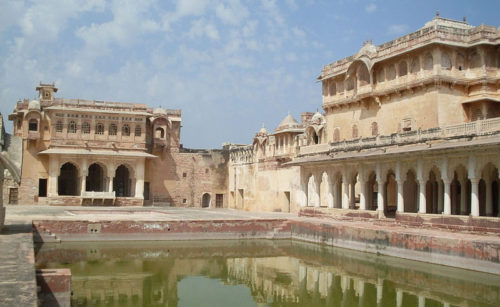
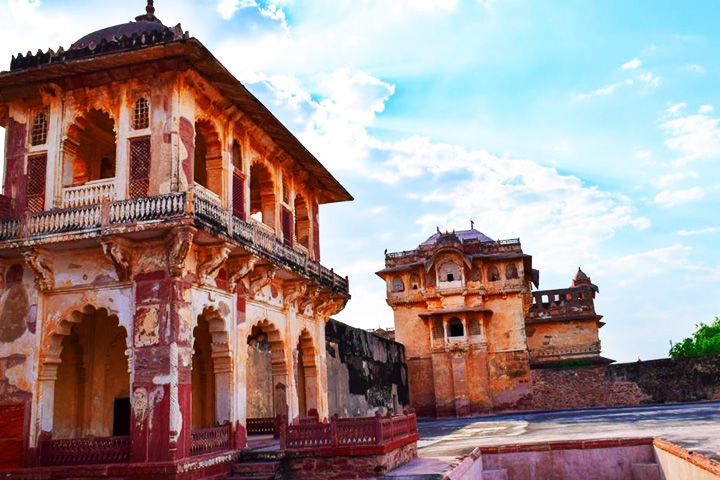
Nagaur is a city in the state of Rajasthan in India. It is the administrative headquarters of Nagaur District. The Nagaur city lies about midway between Jodhpur and Bikaner. Despite being a small region, this town still holds the reminiscents of the past in the form of the ancient architectures. Established by the Naga Kshatriyas, this old city was founded in the 12th century and in the present day it is just an old town to visit..

History of Nagaur

The Nagaur Fort is of historical importance. Nagaur fort is the fort built by the ancient Kshatriya of India. The original maker of the fort is Naagvansi Kshatriya. The Kshatriya rulers dominated Nagaur for a longer period. Nagaur rulers were repeatedly forced to pay tribute to the Sisodias of Chittor while their lands were slowly annexed by the Rathors of Jodhpur.

Climate –

Nagaur has a dry climate with a hot summer. Sand storms are common in summer. The district's climate is marked by extreme dryness, large variations of temperature & highly irregular rainfall patterns. The maximum temperature recorded in the district is 117F with 32F as the lowest recorded temperature. The average temperature of the district is 74 F. The winter season extends from mid-November until the beginning of March. The rainy season is relatively short, extending from July through mid-September. There are ten climatological stations within the district, being within the cities of Nagaur, Khinvsar, Didwana, Merta, Parbatsar, Makarana, Nawa, Jayal, Degana & Ladnun. The average rainfall in the district is 36.16 cm & 59% relative humidity.

Geography –

Nagaur is located at 27.2°N 73.73°E. It has an average elevation of 302 metres (990 feet). Nagaur is situated amidst seven districts namely Bikaner, Churu, Sikar, Jaipur, Ajmer, Pali, Jodhpur. Nagaur is the fifth largest district in Rajasthan with a vast terrain spreading over 17,718 km2 Its geographical spread is a good combine of plain, hills, sand mounds & as such it is a part of the great Indian Thar Desert.

Nagaur Tourism –

Nagaur Fort was one of the first Muslim strongholds in northern India and one of the finest examples of Rajput-Mughal architecture. Built in the early 12th century and repeatedly altered over subsequent centuries, it witnessed many battles. Underwent major renovations in 2007. 90 fountains are now running in the gardens and buildings. The fort's buildings and spaces, both external and internal, serve as venue, stage and home to a Sufi Music Festival.

Some famous villages of Nagaur

Ladnun - 10th century's Jain temples are rich with historical attraction. Ladnun is the spiritual hub of Ahimsa. Jain Vishva Bharti University - A famous centre of Jainism; a school of thought; a centre of spirituality & purification; a society of Ahimsa; a treasure of tranquility; an abode of humanity on earth.
Khinvsar town - Khimsar Fort - Situated 42 km from Nagaur on the National Highway No. 65 towards Jodhpur; 500-year-old fort in the middle of the Thar Desert; turned into a hotel furnished with modern facilities. Mughal Emperor Aurangzeb used to stay here; Khinvsar town has 25 small temples; black deer roaming in herds are a very popular tourist attraction.
Merta - Meera Bai Temple - Also known as the Charbhuja temple; 400 years old; evidence how total surrender helps attain godly qualities; how deep faith converts poison to 'Amrit'.
Kuchaman City - Kuchaman Fort - One of the oldest & most inaccessible forts of Rajasthan; situated on top of a straight hill; unique water harvesting system; Jodhpurrulers used to mint their gold & silver currency here; affords a beautiful view of the city; fort converted into a hotel has a strong attraction for tourists.
Khatu - Khatu's old name was Shatkup (six wells). When Shak rulers came to India then they brought two new wells with them which were called Shakandhu (Stepwell) & Kalandh (Rahat). According to Prathviraj Raso, Khatu's old name was Khatwan. Old Khatu is almost destroyed. Now there are two villages, one is called Bari Khatu & other Chhoti Khatu. On the hillock of Chhoti Khatu a small fort is standing. Fort was built by Prithviraj Chauhan. An old stepwell is located in Chhoti Khatu, known as Phool Bawadi, it is believed that this stepwell was constructed in Gurjara Pratihara period. This stepwell is artistic in its style of architecture.

Visit our website for more information about rajasthan and its tourist places. here are some package.
Rajasthan Budget Tour Packages
Rajasthan Luxury Tour Packages
Rajasthan Tourism
Rajasthan Car Rental Packages